
Why Do Balinese People Place Offerings on the Road?
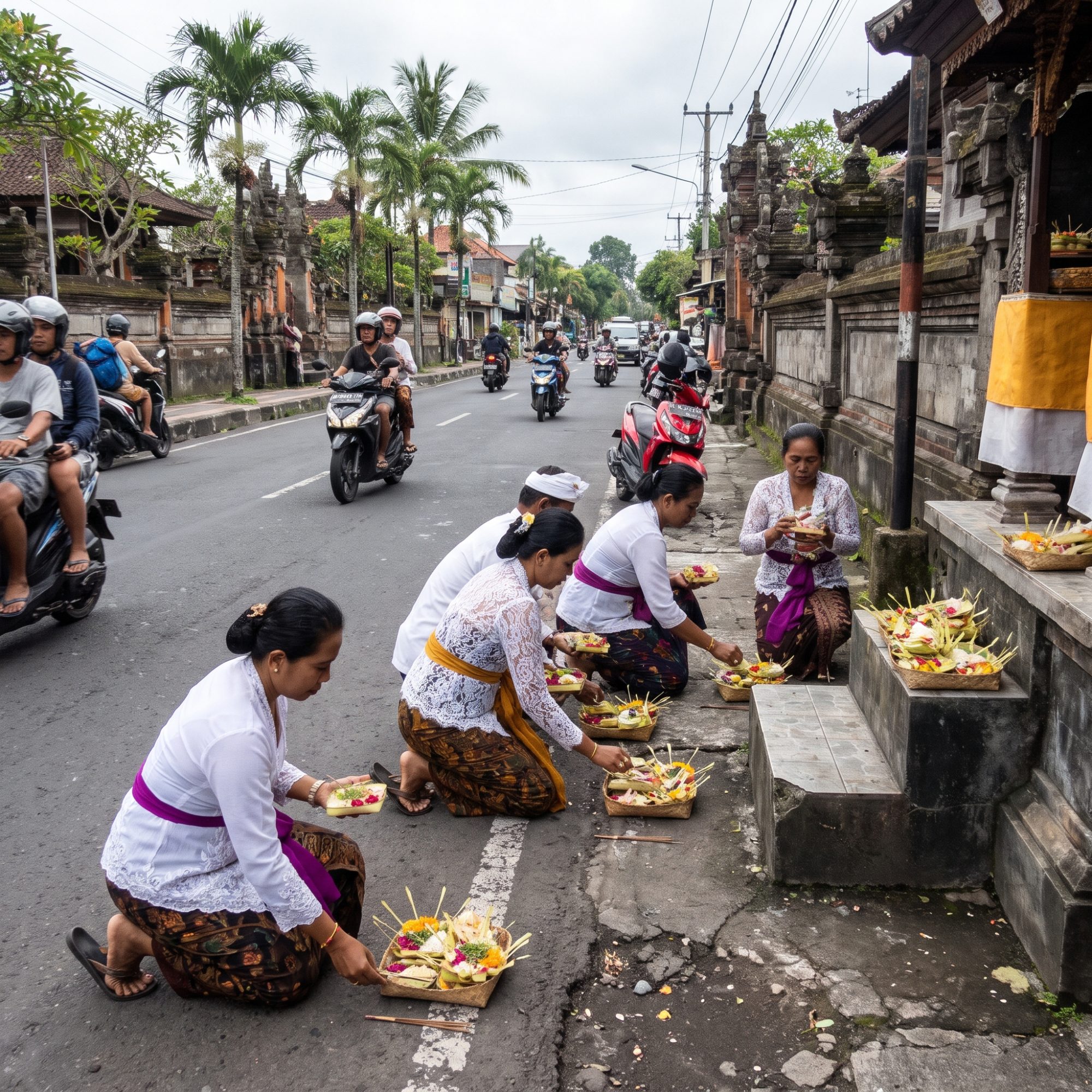
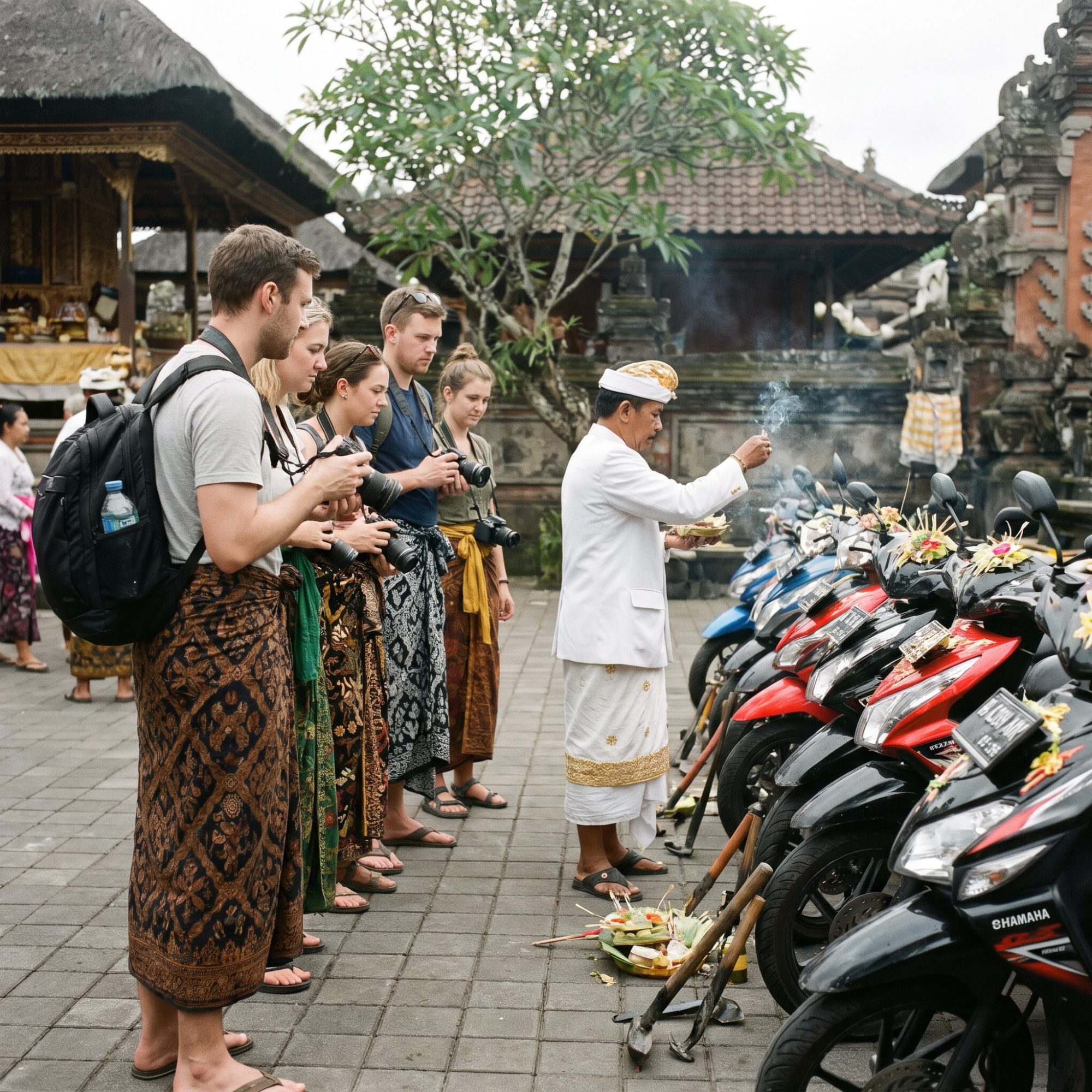
When exploring Bali, you may notice small offerings placed along roads, on sidewalks, near shop entrances, outside houses, or at intersections. These offerings often consist of small woven palm-leaf containers filled with flowers, leaves, rice, and other symbolic items. Sometimes, you may also see small portions of food placed directly on the ground. For visitors unfamiliar with Balinese Hindu traditions, this practice may seem unusual. Why do people place offerings on the road? Are they intended for spirits, deities, or something else? In Balinese Hindu culture, offerings are an important expression of devotion, gratitude, and the relationship between humans, nature, and the spiritual world. Understanding the meaning behind these offerings provides a deeper appreciation of Bali beyond its beaches, temples, and beautiful landscapes.
1. Offerings Are an Expression of Gratitude and Devotion
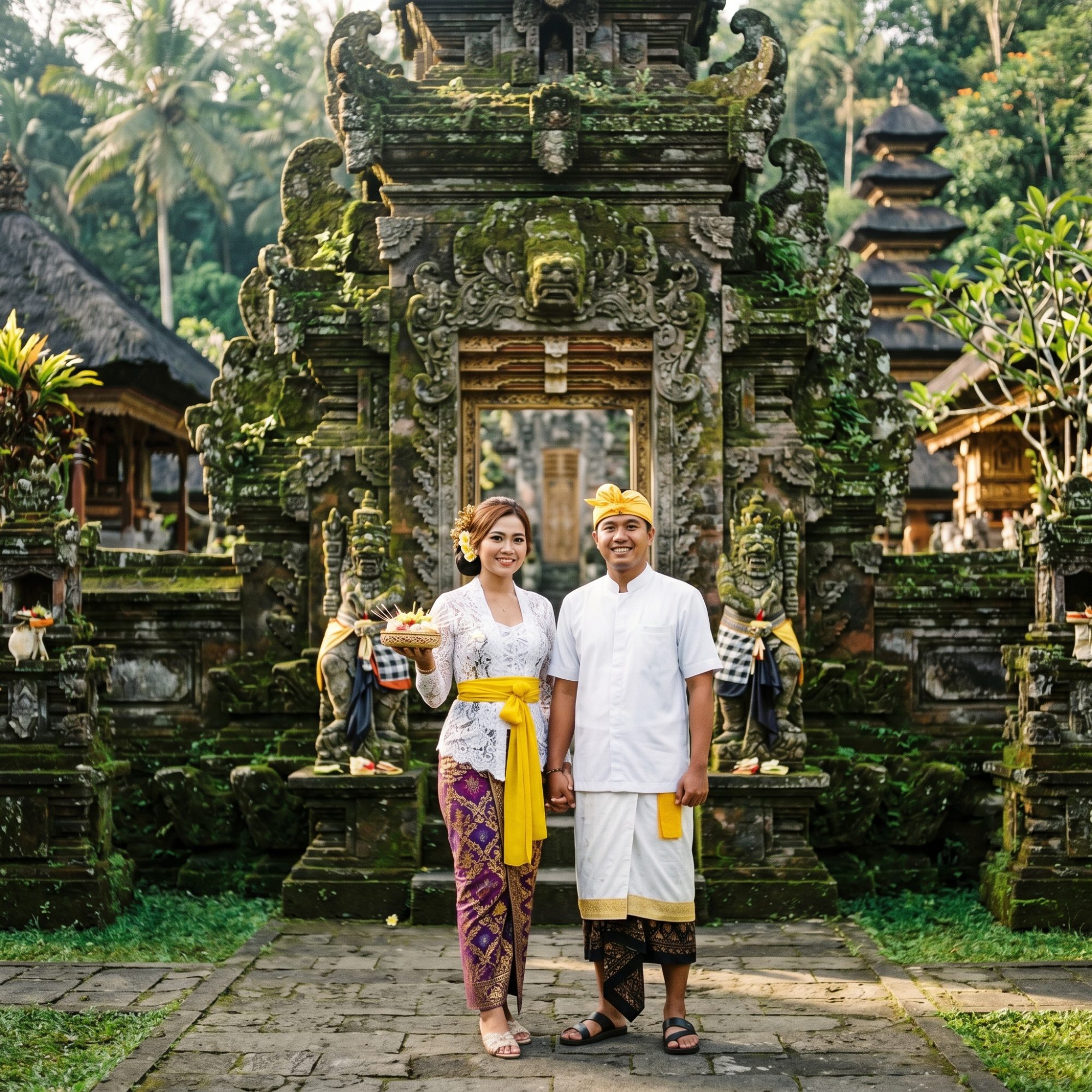
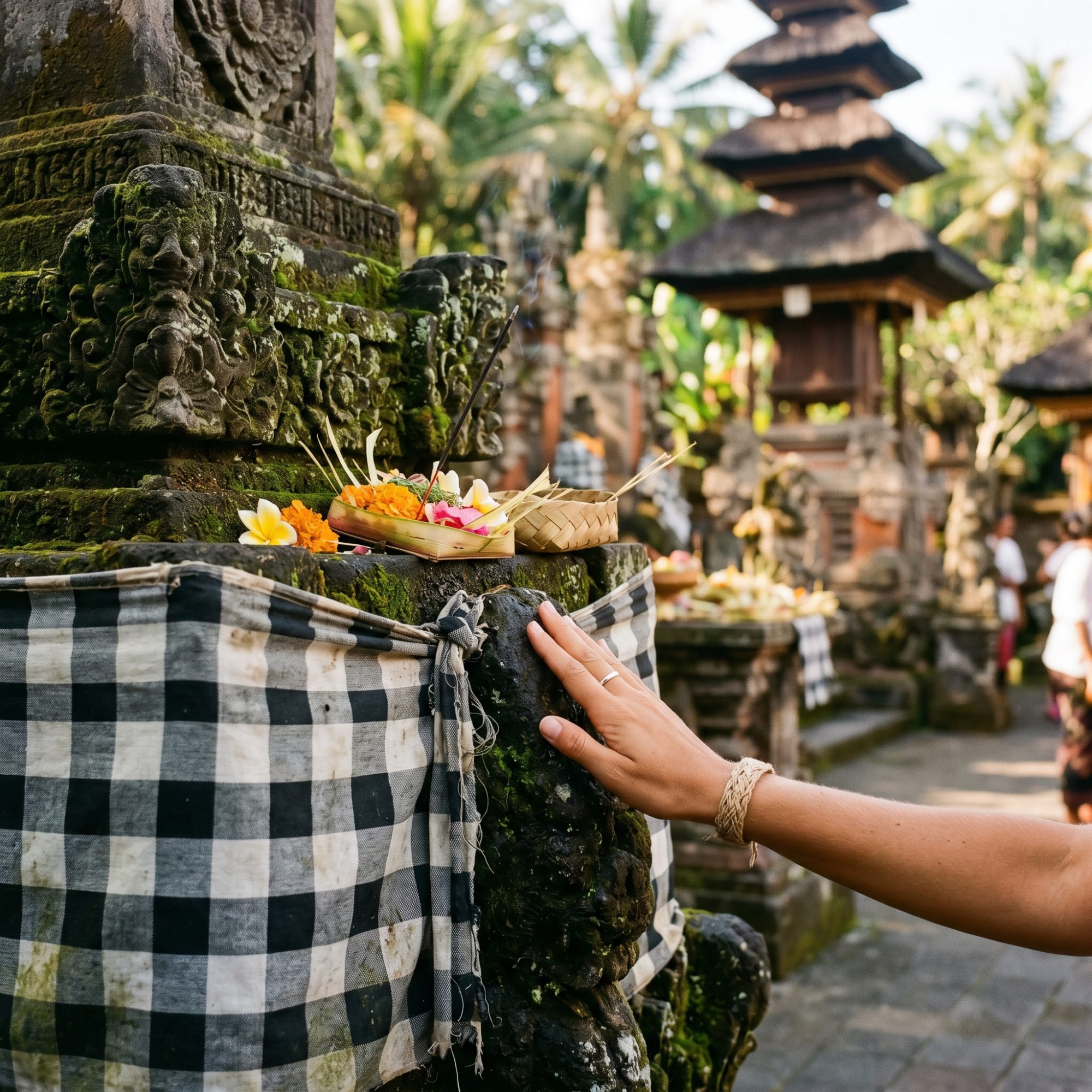
In Bali, offerings are commonly known as banten. They are an important part of Balinese Hindu religious and cultural life. An offering is not simply an arrangement of flowers or food. It represents an expression of devotion and gratitude to Ida Sang Hyang Widhi Wasa, the Supreme God in Balinese Hindu belief. Through offerings, people express thankfulness for the blessings they receive and pray for harmony, balance, and well-being. Offerings can be found in many places, including:
Family shrines and household temples.
Village temples and public temples.
Shops and business premises.
Gardens and outdoor spaces.
Roadside areas and intersections.
Vehicles and other objects used in daily life.
The location of an offering often reflects the purpose of the ceremony or daily ritual.
2. Why Are Offerings Placed on the Road?
Roadside offerings are part of certain Balinese Hindu rituals intended to maintain harmony between the spiritual and physical worlds. In Balinese Hindu philosophy, maintaining balance is an important aspect of life. This concept is often associated with Tri Hita Karana, a philosophy that emphasizes harmony between humans and God, humans and other people, and humans and the natural environment. Some offerings are placed on the ground as part of rituals intended to establish balance and harmony in the surrounding environment. They may also be associated with prayers for protection, peaceful surroundings, and well-being for the community. However, not every offering placed on a road has exactly the same meaning. Its purpose can depend on the type of offering, the occasion, and the local religious tradition.
3. Understanding Segehan: Offerings Commonly Seen on the Ground
One type of offering visitors may notice on roads, near entrances, or around buildings is called segehan. Segehan is a type of offering commonly associated with Bhuta Yadnya, a category of Balinese Hindu ritual concerned with maintaining harmony between humans and the surrounding natural and unseen elements. Unlike many offerings placed on shrines or elevated surfaces, segehan is often placed directly on the ground. It may contain items such as:
Rice in different colours.
Small portions of food.
Salt and other symbolic ingredients.
Flowers and leaves.
Traditional palm-leaf containers.
The composition varies according to the type of ritual and local customs. Segehan is not simply food left on the road. It has a religious and symbolic purpose within Balinese Hindu practice.
4. What Is the Difference Between Canang Sari and Segehan?
Visitors sometimes confuse canang sari with segehan because both are commonly seen around Bali. Although they are both forms of offerings, their purposes and presentation can differ.
Canang Sari
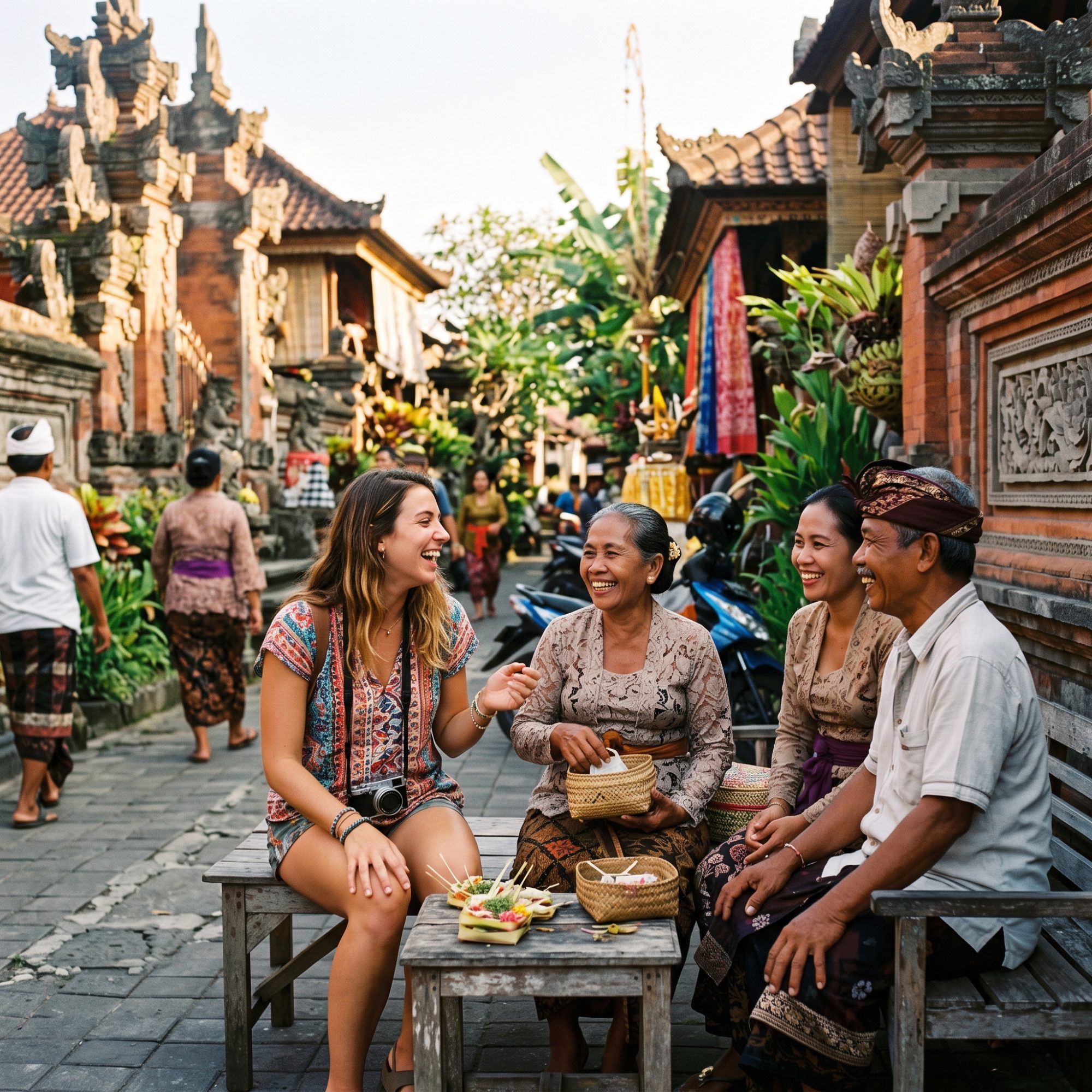
Canang sari is one of the most recognizable daily offerings in Bali. It is usually made from woven coconut or palm leaves and decorated with flowers arranged in different colours. It commonly represents gratitude and devotion to God. Canang sari is often placed at family shrines, temples, business premises, and other appropriate locations.
Segehan
Segehan is commonly associated with rituals intended to maintain harmony between humans and the surrounding environment. It is often placed directly on the ground and may include rice, food, and other symbolic ingredients. While canang sari is strongly associated with daily expressions of devotion, segehan is associated with a different ritual purpose. The exact meaning of each offering depends on the ceremony and local tradition.
5. Why Are Offerings Often Found at Intersections?
You may notice offerings placed at road intersections, crossroads, or other locations where several paths meet. In Balinese Hindu tradition, intersections can hold particular ritual significance.
They are sometimes considered important spaces in the arrangement of the surrounding environment and are included in ceremonies intended to maintain balance and protection. Certain offerings are placed at these locations as part of rituals seeking harmony and well-being for the surrounding area. This is one reason why visitors may notice more elaborate offerings at intersections during particular religious ceremonies or special occasions. The meaning and type of offering depend on the ritual being performed.
6. Are Roadside Offerings Made Every Day?
Some offerings are part of daily religious practices, while others are prepared for specific ceremonies and religious occasions. In many Balinese households and businesses, daily offerings are prepared in the morning as part of regular devotional activities. Other offerings may be made during:
Full moon and new moon ceremonies.
Temple anniversaries known as Odalan.
Galungan and Kuningan celebrations.
Religious purification ceremonies.
Special village or community ceremonies.
Particular rituals related to the surrounding environment.
Because Balinese Hindu religious life follows traditional calendars and local customs, the appearance and frequency of offerings can vary from one area to another. Visitors may notice more offerings than usual during major religious celebrations.
7. Why Should Visitors Be Careful Around Offerings?
Offerings are an important part of Balinese religious life. Although they may appear small or simple, they deserve respect. If you encounter offerings while walking or exploring Bali, keep these simple guidelines in mind:
Avoid stepping on offerings
Whenever possible, walk around offerings rather than stepping directly over or on them.
Do not move them
Avoid moving, rearranging, or touching offerings unless invited to do so by someone who is responsible for them.
Be careful when driving
Some offerings are placed near roads or intersections. Drivers should remain attentive and avoid driving over them whenever it is safe to do so.
Be respectful when taking photographs
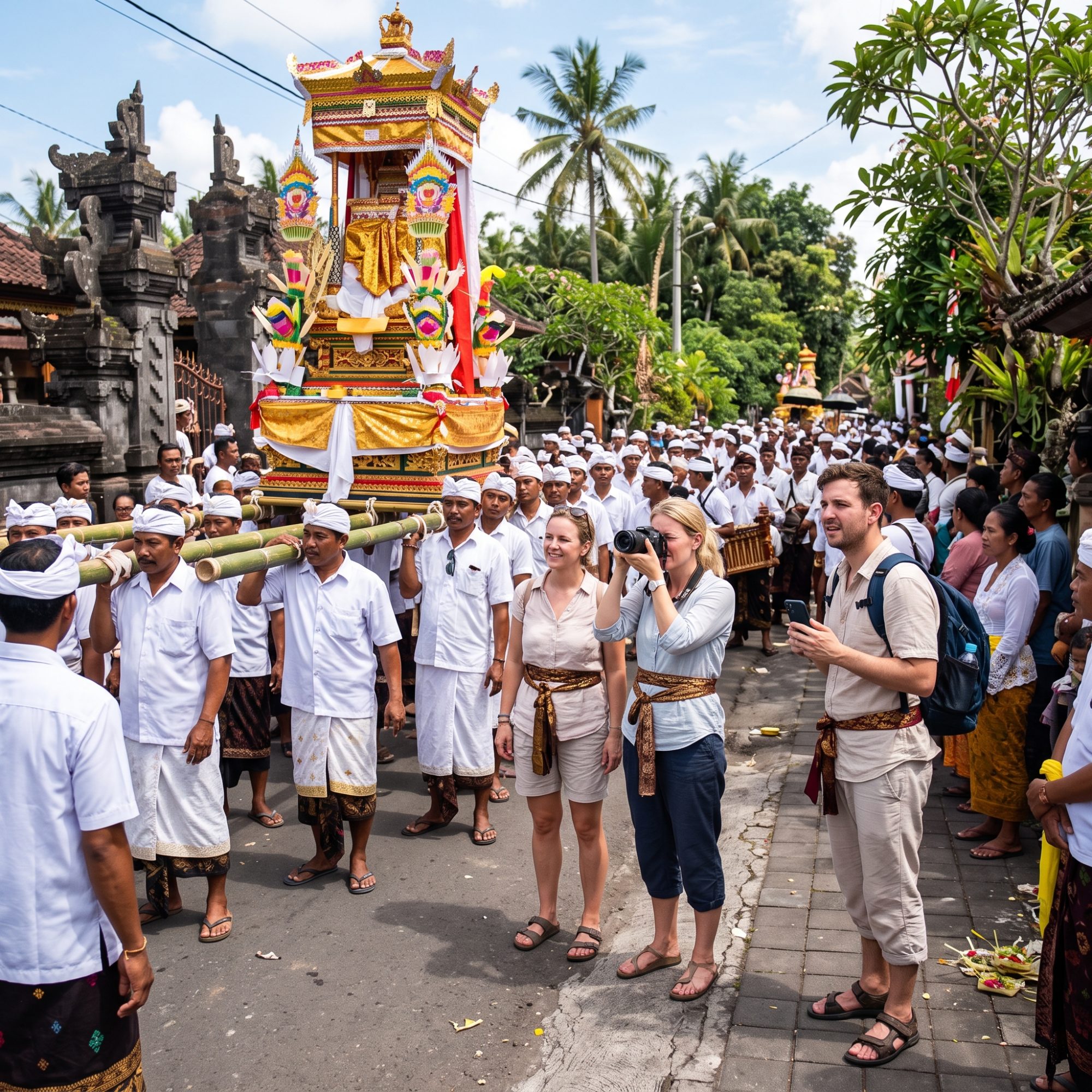
You may photograph offerings as part of your cultural experience, but avoid interrupting people who are performing prayers or religious ceremonies.
Respect local ceremonies
If you see people praying or carrying out a ritual, give them enough space and avoid disturbing the ceremony. These small gestures help visitors show respect for local beliefs and traditions.
8. What Can Travelers Learn from This Balinese Tradition?
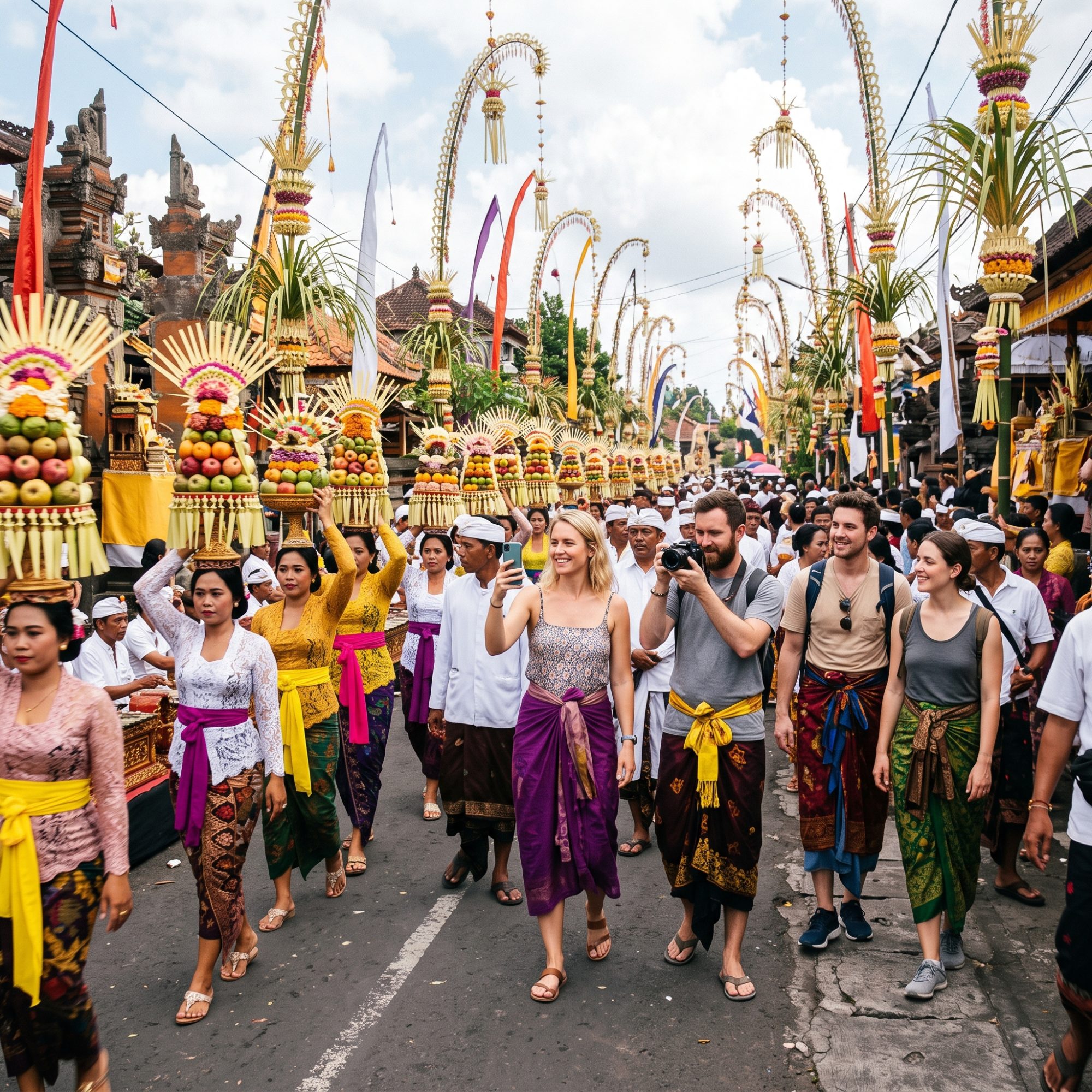
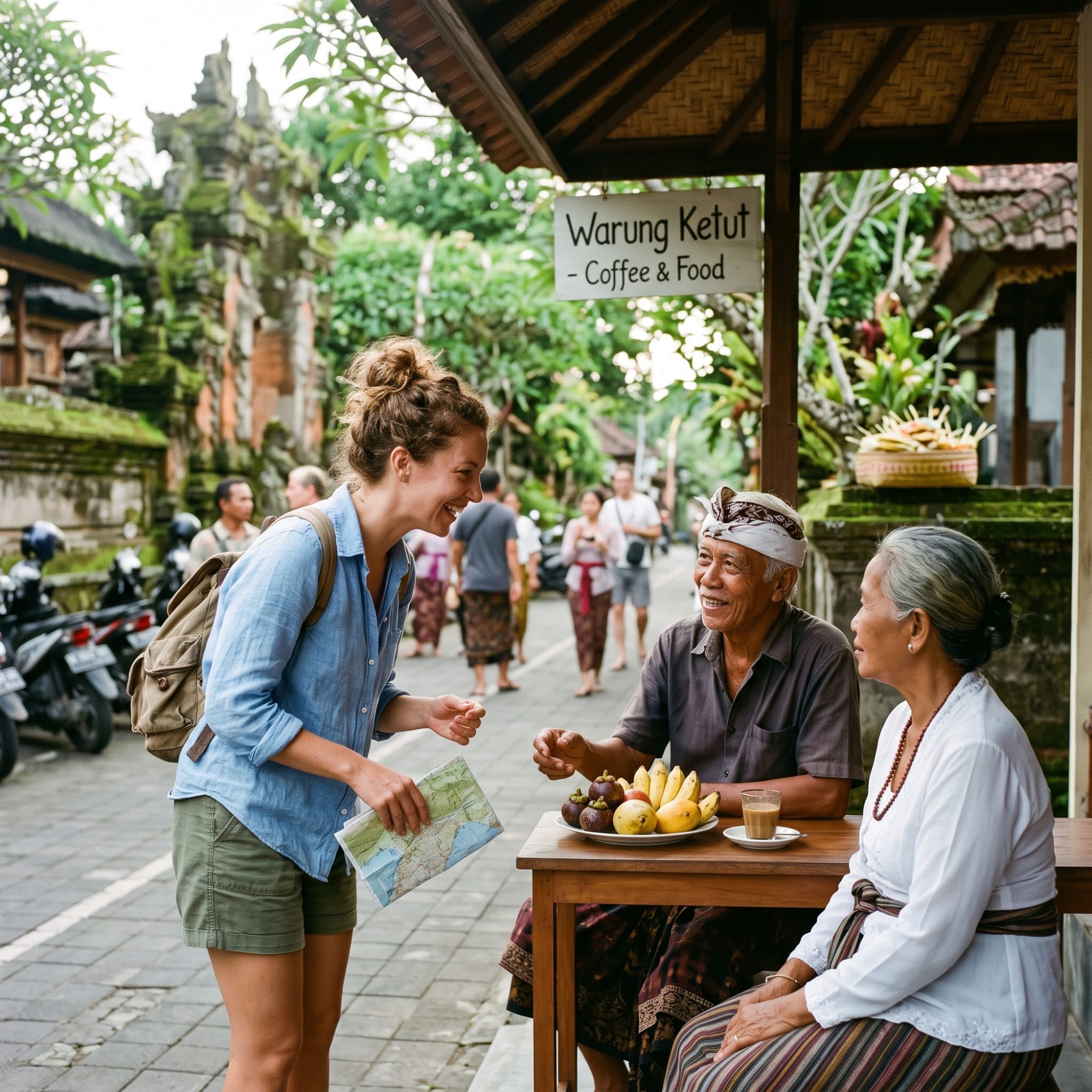
Roadside offerings reveal something important about the way Balinese Hindu culture connects spirituality with everyday life. In Bali, religious practices are not limited to temples or major ceremonies. They can also be seen in homes, workplaces, vehicles, gardens, and public spaces. For many Balinese people, preparing offerings is part of an ongoing relationship with their surroundings. It reflects values such as gratitude, respect, balance, and community. For visitors, observing these traditions offers an opportunity to understand that Bali is more than a holiday destination. It is also a place with a living culture and spiritual practices that continue to shape daily life.
9. Experience Bali Beyond Its Tourist Attractions
Bali is often associated with beautiful beaches, luxury resorts, scenic rice terraces, and vibrant nightlife. However, some of the island's most meaningful experiences can be found in its everyday traditions. A small offering on the roadside may seem like an ordinary sight, but it represents a deeper cultural and spiritual meaning for the people who prepare it. Understanding these customs can make your journey through Bali more meaningful, allowing you to appreciate not only the island's scenery but also the traditions that shape its identity. At Kini Luxury, we believe that experiencing Bali goes beyond visiting its popular attractions. It also means discovering the culture, traditions, and local way of life that make the island unique.
Discover the Culture of Bali with Kini Luxury
Every journey through Bali offers an opportunity to discover something new. From its beautiful landscapes and cultural landmarks to the small traditions found along its streets, the island has many stories waiting to be understood. Travel comfortably with Kini Luxury and explore Bali with a deeper appreciation of its culture and local way of life.
Frequently Asked Questions
Why do Balinese people put offerings on the road?
Roadside offerings are part of certain Balinese Hindu rituals. They are associated with devotion, gratitude, prayers for harmony, and maintaining balance between humans and their surroundings.
What are the small offerings found on the streets of Bali called?
They can be different types of banten, depending on their purpose. Some are canang sari, while others may be segehan or offerings prepared for specific ceremonies.
What is the difference between canang sari and segehan?
Canang sari is commonly used as a daily expression of devotion and gratitude to God. Segehan is associated with rituals intended to maintain harmony with the surrounding environment and is often placed directly on the ground.
Are roadside offerings intended for spirits?
Some offerings, particularly those associated with Bhuta Yadnya, are connected with maintaining harmony between humans and the surrounding spiritual and natural elements. However, not all roadside offerings have the same purpose.