
Best Temples to Visit in Bali: 15 Must-See Temples for First-Time Visitors
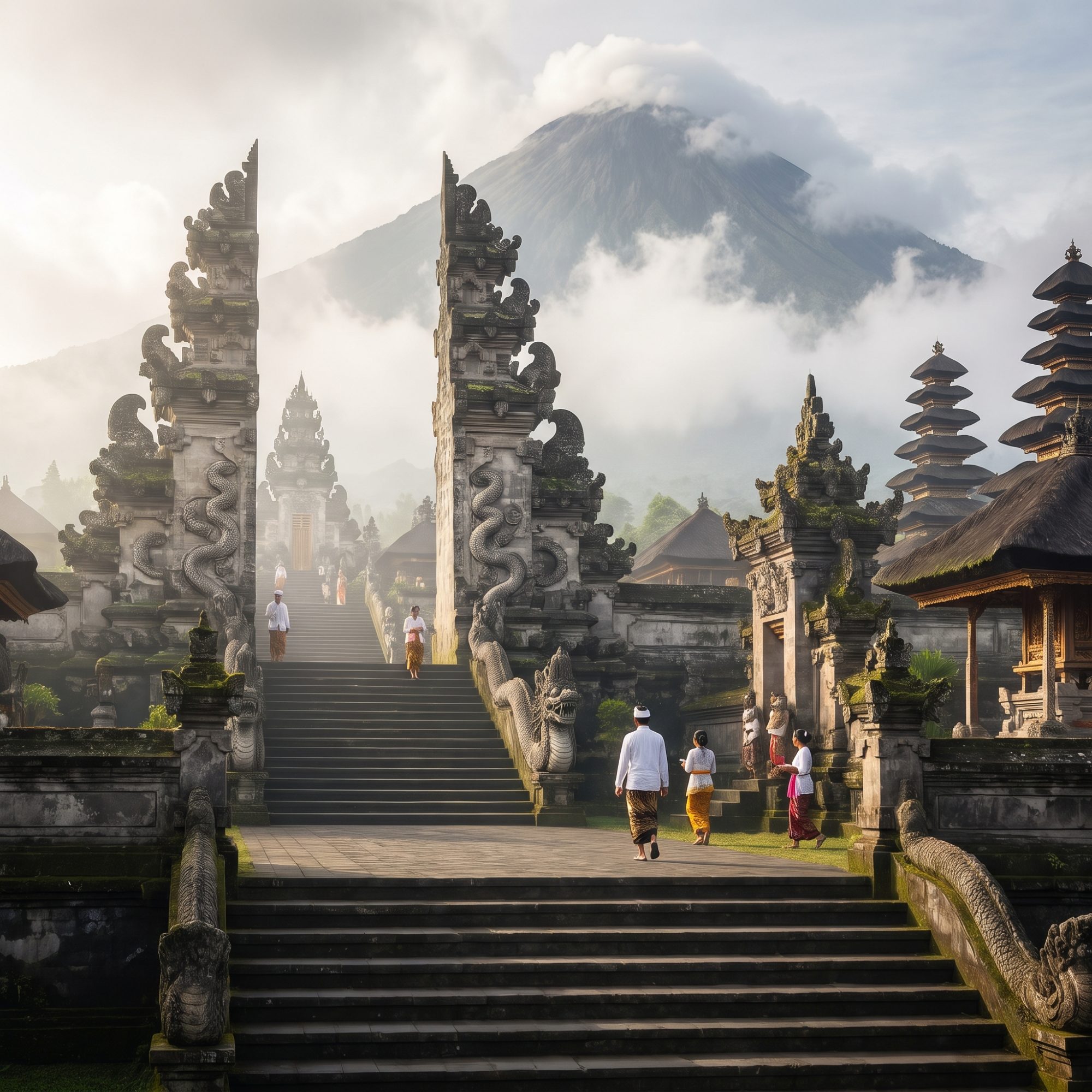
Bali is famous for its beautiful beaches, lush rice terraces, and luxurious resorts, but some of the island’s most memorable experiences can be found at its ancient temples. Known locally as pura, these sacred places reflect Bali’s Hindu traditions, distinctive architecture, and deep connection between spirituality and nature. From dramatic sea temples overlooking the Indian Ocean to peaceful sanctuaries surrounded by tropical forests, the best temples to visit in Bali offer much more than beautiful photographs. They provide an opportunity to understand the island’s cultural heritage and experience a different side of Bali beyond its popular tourist attractions. Whether you are visiting Bali for the first time, planning a cultural journey, or looking for beautiful places to explore with your family, this guide covers 15 temples worth adding to your itinerary.
1. Uluwatu Temple (Pura Luhur Uluwatu)
Location: Pecatu, South Bali
Best for: Ocean views, sunset, and traditional Balinese performances
Uluwatu Temple is one of Bali’s most iconic cultural landmarks. Perched on a steep cliff approximately 70 metres above the Indian Ocean, the temple offers spectacular coastal scenery and a memorable atmosphere, particularly in the late afternoon. The temple is one of Bali’s important directional temples, traditionally associated with protecting the island. Visitors can walk along designated pathways around the clifftop and enjoy views of the ocean stretching toward the horizon. One of the biggest attractions is the Kecak Fire Dance, traditionally performed around sunset at a nearby open-air amphitheatre. The performance combines rhythmic chanting, dramatic storytelling, and elements of the Ramayana epic.
Why visit: Uluwatu is an excellent choice for travellers who want to combine Balinese culture, dramatic scenery, and an evening experience in one location.
Travel tip: Arrive early to explore the temple grounds before the sunset crowds gather. Keep your belongings secure around the resident monkeys, and check the performance schedule before visiting.
2. Tanah Lot Temple
Location: Tabanan, Southwest Bali
Best for: Sunset photography and coastal scenery
Tanah Lot is among the most recognisable temples in Bali. Built on a rocky formation beside the sea, it creates a striking silhouette against the sky, especially during sunset. The temple is associated with Balinese sea worship and is an important cultural landmark. During certain tidal conditions, the surrounding rocks and pathways become partially submerged, creating a dramatic landscape. Although the temple itself is sacred and access to its inner areas is restricted to eligible worshippers, visitors can explore the surrounding grounds, viewpoints, gardens, and shops. The area is particularly popular with photographers and couples seeking memorable sunset views.
Why visit: Tanah Lot is one of the best places to experience Bali’s coastal beauty while learning about its spiritual traditions.
Travel tip: Visit in the late afternoon for sunset views, but allow enough time for traffic, particularly if travelling from Canggu, Seminyak, or Ubud.
3. Besakih Temple (Pura Agung Besakih)
Location: Rendang, Karangasem, East Bali
Best for: Spiritual heritage, temple architecture, and mountain scenery
Known as the Mother Temple of Bali, Besakih is the island’s largest and one of its most important Hindu temple complexes. Situated on the slopes of Mount Agung, the complex consists of numerous temples arranged across an extensive hillside. The temple has been an important centre of Balinese Hindu worship for centuries. Its architecture features traditional stone gateways, stairways, courtyards, and multi-tiered shrines known as meru. Besakih is particularly meaningful for travellers interested in understanding the religious traditions that shape everyday life in Bali. The elevated setting also provides beautiful views of the surrounding countryside when weather conditions are favourable.
Why visit: Besakih offers a deeper cultural experience than a quick sightseeing stop, making it ideal for travellers who want to explore Bali’s spiritual heritage.
Travel tip: Set aside several hours for the visit and wear appropriate clothing. As the complex is extensive and located on a hillside, comfortable footwear is recommended.
4. Ulun Danu Beratan Temple
Location: Bedugul, Central Bali
Best for: Lake scenery, photography, and cool mountain weather
Ulun Danu Beratan is one of Bali’s most photographed temples, recognised for its picturesque setting beside Lake Beratan. Surrounded by mountains and gardens, the temple complex creates a peaceful atmosphere that contrasts with the busy coastal areas of southern Bali. Some of its structures appear to float on the lake when water levels and weather conditions are favourable. The temple is associated with Dewi Danu, the goddess connected with lakes and water. Water has a central role in Balinese agriculture, making the temple significant within the island’s cultural and spiritual traditions. Visitors can explore the landscaped grounds, photograph the temple structures, and enjoy the cooler climate of the Bedugul highlands.
Why visit: This is an excellent destination for travellers seeking beautiful scenery, cultural landmarks, and a refreshing break from Bali’s tropical coastline.
Travel tip: Visit in the morning when possible, as mist, rain, and cloud cover can affect visibility in the mountains.
5. Tirta Empul Temple
Location: Tampaksiring, Gianyar, near Ubud
Best for: Sacred water rituals and Balinese spiritual traditions
Tirta Empul is one of Bali’s most significant water temples, famous for its natural spring and purification pools. The temple has been an important place of worship for centuries. Balinese Hindus visit to pray and participate in melukat, a traditional purification ritual involving sacred water. Visitors can explore designated areas of the complex and learn about the role of water in Balinese Hinduism. Travellers interested in participating in a purification ritual should follow the temple’s guidance and respect local customs. The temple’s courtyards, traditional architecture, and spring-fed pools also make it an interesting destination for cultural photography.
Why visit: Tirta Empul offers a meaningful introduction to Balinese spiritual practices and the cultural significance of sacred water.
Travel tip: Dress modestly and ask about the correct procedure before participating in any ritual. Do not assume that every area is open to visitors.
6. Lempuyang Temple (Pura Lempuyang Luhur)
Location: Mount Lempuyang area, Karangasem, East Bali
Best for: Mountain scenery and iconic temple photography
Lempuyang Temple is widely recognised for its dramatic stone gateway, often called the Gates of Heaven. Located in the mountainous landscape of East Bali, the temple complex is associated with Mount Lempuyang and is considered one of the island’s important sacred sites. On clear days, visitors may see Mount Agung framed by the temple’s traditional gateway. However, weather conditions vary, and the famous mountain view is not guaranteed. Lempuyang is more than a photography destination. It is a sacred complex with multiple temple areas, and visitors should respect its religious significance.
Why visit: Lempuyang combines cultural heritage with striking mountain scenery, making it particularly attractive to photographers and travellers exploring East Bali.
Travel tip: Start early to reduce the impact of crowds and allow sufficient travel time. The complex involves stairs and walking, so comfortable footwear is essential.
7. Taman Ayun Temple
Location: Mengwi, Badung
Best for: Traditional architecture, gardens, and peaceful surroundings
Taman Ayun Temple is a former royal temple complex surrounded by gardens and a moat. Its name is commonly associated with the idea of a beautiful garden, reflecting the landscaped setting that distinguishes it from many other temples. The complex features traditional Balinese architecture, stone gateways, courtyards, and multi-tiered meru shrines. Taman Ayun is also recognised as part of Bali’s cultural landscape associated with the traditional subak irrigation system, which reflects the island’s relationship between water management, agriculture, and religious life. Compared with some of Bali’s busiest temples, the grounds can offer a more relaxed sightseeing experience.
Why visit: Taman Ayun is an excellent stop for travellers interested in traditional architecture, royal history, and landscaped temple grounds.
Travel tip: It can be combined with Tanah Lot or a journey between southern Bali and Ubud, depending on your starting point.
8. Goa Gajah (Elephant Cave)
Location: Bedulu, Gianyar, near Ubud
Best for: Archaeology, ancient carvings, and cultural history
Goa Gajah is an archaeological site known for its distinctive cave entrance carved into a rocky façade. Despite its name, which translates to Elephant Cave, the site is not simply a cave dedicated to elephants. Its history reflects different religious influences and traditions that developed in Bali over many centuries. Visitors can explore the carved entrance, ancient bathing structures, stone relics, and surrounding gardens. The site provides an interesting glimpse into Bali’s historical religious landscape and the artistic traditions of its earlier communities.
Why visit: Goa Gajah is ideal for visitors who want to explore an ancient cultural site while discovering another side of Bali beyond its beaches and modern attractions.
Travel tip: Combine your visit with other cultural destinations around Ubud and Gianyar for a more complete day of sightseeing.
9. Gunung Kawi Temple
Location: Tampaksiring, Gianyar
Best for: Ancient monuments, river valleys, and natural scenery
Gunung Kawi is a historic temple complex famous for its monumental shrines carved directly into rock faces. Set within a lush river valley surrounded by tropical vegetation and rice fields, the site offers a different atmosphere from Bali’s coastal temples. The rock-cut monuments are associated with Bali’s ancient royal heritage and demonstrate the remarkable craftsmanship of earlier generations. Reaching the complex involves descending and later climbing a considerable number of steps, with scenic views along the way.
Why visit: Gunung Kawi is an excellent choice for travellers interested in history, archaeology, architecture, and natural landscapes.
Travel tip: Wear comfortable shoes, bring drinking water, and allow enough time for the walk. Travellers with mobility limitations should consider the steep steps before visiting.
10. Goa Lawah Temple
Location: Pesinggahan, Klungkung, East Bali
Best for: Cultural landmarks and coastal road trips
Goa Lawah, often called Bat Cave Temple, is known for the cave beside its temple complex that provides a habitat for bats. The temple is an important sacred site in Balinese Hindu tradition. Its location near the coast also makes it a convenient cultural stop when travelling through East Bali. Visitors can appreciate the traditional architecture, stone carvings, and religious atmosphere from designated areas. The temple is not particularly large compared with Besakih, but its distinctive cave and cultural significance make it worth considering for a regional itinerary.
Why visit: Goa Lawah is a practical stop for travellers exploring Klungkung, Padang Bai, or other destinations in East Bali.
Travel tip: Check the temple's access conditions and dress requirements before arrival, particularly if religious ceremonies are taking place.
11. Batukaru Temple (Pura Luhur Batukaru)
Location: Wongaya Gede, Tabanan
Best for: Forest scenery, tranquillity, and spiritual atmosphere
Batukaru Temple lies on the slopes of Mount Batukaru, surrounded by lush tropical forest. Its setting makes it one of the more atmospheric temples to visit for travellers who prefer quiet natural surroundings to heavily visited tourist attractions. The complex is associated with the protection of Bali’s western mountainous region and is an important place of worship for local communities. Visitors can explore permitted areas while enjoying the cool mountain air and the sound of the surrounding forest.
Why visit: Batukaru is a good option for travellers looking for a quieter cultural experience and an opportunity to appreciate Bali’s natural environment.
Travel tip: The area can be rainy and misty. Bring suitable footwear and a light rain jacket, and allow additional travel time on mountain roads.
12. Batuan Temple (Pura Puseh Desa Batuan)
Location: Batuan, Gianyar
Best for: Balinese carvings and traditional temple design
Batuan is a historic Balinese village known for its artistic traditions, and its temple is an excellent place to observe traditional stonework and architectural details. The temple complex features elaborately carved gateways, statues, and traditional structures that reflect the craftsmanship found in Balinese sacred architecture. The surrounding village is also known for painting and other local artistic traditions, making the area appealing to travellers interested in culture.
Why visit: Batuan Temple is a convenient cultural destination for visitors travelling between southern Bali and Ubud.
Travel tip: Allow time to appreciate the carvings rather than rushing through the complex. Ask permission before photographing worshippers or ceremonies.
13. Ulun Danu Batur Temple
Location: Kintamani, Bangli
Best for: Mountain landscapes and water-related cultural traditions
Ulun Danu Batur is an important temple associated with Dewi Danu and Bali’s traditional water management system. Water is essential to Bali’s rice cultivation and irrigation networks, and temples dedicated to water-related deities have long played an important role in the island’s agricultural and spiritual life. The temple is located in the Kintamani region, where visitors can also enjoy views of Mount Batur and Lake Batur from nearby viewpoints. The present temple complex reflects the relocation of the original temple after the 1917 eruption of Mount Batur.
Why visit: This destination is particularly suitable for travellers who want to combine cultural sightseeing with Bali’s volcanic landscapes.
Travel tip: Plan a visit alongside other Kintamani attractions, and bring an extra layer of clothing because temperatures can be cooler than in southern Bali.
14. Taman Saraswati Temple
Location: Ubud town centre, Gianyar
Best for: Lotus ponds, architecture, and convenient cultural sightseeing
Taman Saraswati Temple is a beautiful cultural landmark in central Ubud, known for its lotus ponds and traditional Balinese architectural details. Dedicated to Saraswati, the Hindu goddess associated with knowledge, learning, and the arts, the temple reflects the cultural importance of education and artistic expression. Its central location makes it easy to include in a walking itinerary around Ubud, alongside art galleries, local shops, cafés, and other cultural attractions. Visitors should check which sections are open to the public, as the temple remains a sacred place of worship.
Why visit: Taman Saraswati is an accessible option for travellers who want to experience Balinese temple architecture without travelling far outside Ubud.
Travel tip: Combine it with a visit to Ubud Palace and the surrounding town centre. Check current access arrangements before planning your visit.
15. Dalem Ped Temple (Pura Dalem Ped)
Location: Ped, Nusa Penida
Best for: Spiritual heritage and cultural exploration on Nusa Penida
Dalem Ped is an important temple complex on Nusa Penida, an island southeast of mainland Bali known for its dramatic cliffs, beaches, and coastal landscapes. For visitors spending time on Nusa Penida, the temple offers an opportunity to discover the island’s spiritual traditions beyond its popular natural attractions. The complex is a place of worship for local communities and should be approached with appropriate respect.
Why visit: Dalem Ped is a worthwhile addition for travellers interested in understanding the cultural side of Nusa Penida as well as its famous scenery.
Travel tip: Plan your visit around your ferry schedule and other island destinations. Allow enough time for road travel, as journeys between attractions on Nusa Penida can take longer than expected.
How to Plan a Bali Temple Tour
The best way to explore Bali’s temples is to organise your itinerary by region. Some temples are relatively close to one another, while others require several hours of driving.
South Bali Temple Tour
A southern Bali itinerary could include:
Uluwatu Temple
Tanah Lot Temple, if sufficient time is available
These destinations offer dramatic coastal scenery and are particularly popular with travellers staying in Seminyak, Canggu, Jimbaran, or Nusa Dua. However, Uluwatu and Tanah Lot are in different parts of the region. Traffic conditions and sunset times should be considered before planning to visit both in one afternoon.
Ubud and Central Bali Temple Tour
For travellers staying in Ubud or nearby areas, a cultural day could include:
Goa Gajah
Tirta Empul
Gunung Kawi
Taman Saraswati, if visiting central Ubud
This route offers a combination of ancient monuments, sacred water traditions, and traditional architecture. Not every stop needs to be included. Selecting two or three destinations allows more time to explore each location comfortably.
East Bali Temple Tour
East Bali is ideal for travellers interested in important religious sites and mountain scenery. Potential destinations include:
Besakih Temple
Lempuyang Temple
Goa Lawah Temple
Because these sites are spread across the region, it is important to plan the order carefully. Besakih and Lempuyang can each require considerable time, especially during busy periods. An overnight stay in East Bali may be more comfortable if you want to explore several destinations without rushing.
Bedugul and North-Central Bali Tour
For a cooler mountain experience, consider:
Ulun Danu Beratan
Batukaru Temple
Taman Ayun Temple, depending on your route
This itinerary combines lake scenery, forest surroundings, and traditional temple architecture. Weather in the highlands can change quickly, so keep your schedule flexible.
Nusa Penida Cultural Visit
If you are travelling to Nusa Penida, you can include Dalem Ped Temple alongside selected island attractions. Allow sufficient time for the ferry crossing, road travel, and return journey. It is usually better to choose a manageable number of destinations rather than attempting to visit every major attraction in one day.
Should You Hire a Private Driver to Visit Bali's Temples?
Hiring a private driver can make a temple tour considerably easier, particularly when visiting multiple destinations across different parts of Bali. Public transport options between many temples are limited, while arranging separate rides for every stop can make your day less flexible. With a private chauffeur, you can plan your journey around your preferred destinations, spend more time at places that interest you, and adjust the itinerary according to weather and traffic conditions. A private car is particularly useful for:
Couples planning a cultural day trip
Elderly travellers who prefer a more comfortable journey
Photographers who need flexibility with timing
Groups visiting several temples
Travellers staying outside the main tourist areas
For example, a private day trip from Ubud could combine Tirta Empul, Gunung Kawi, and Goa Gajah. Travellers staying in South Bali might prefer a different itinerary featuring Uluwatu or Tanah Lot. Kini Luxury offers private chauffeur services in Bali for travellers who want a more comfortable and flexible way to explore the island. Depending on your plans, you can consider a Private Luxury Charter and arrange a route that suits your interests and accommodation location. If you are planning a broader holiday, explore the Bali Travel Packages to discover experiences that can complement your cultural sightseeing.
Important Etiquette When Visiting Temples in Bali
Bali's temples are active places of worship, not simply tourist attractions. Respecting local customs helps preserve the experience for both visitors and the communities who maintain these sacred sites. Keep the following guidelines in mind:
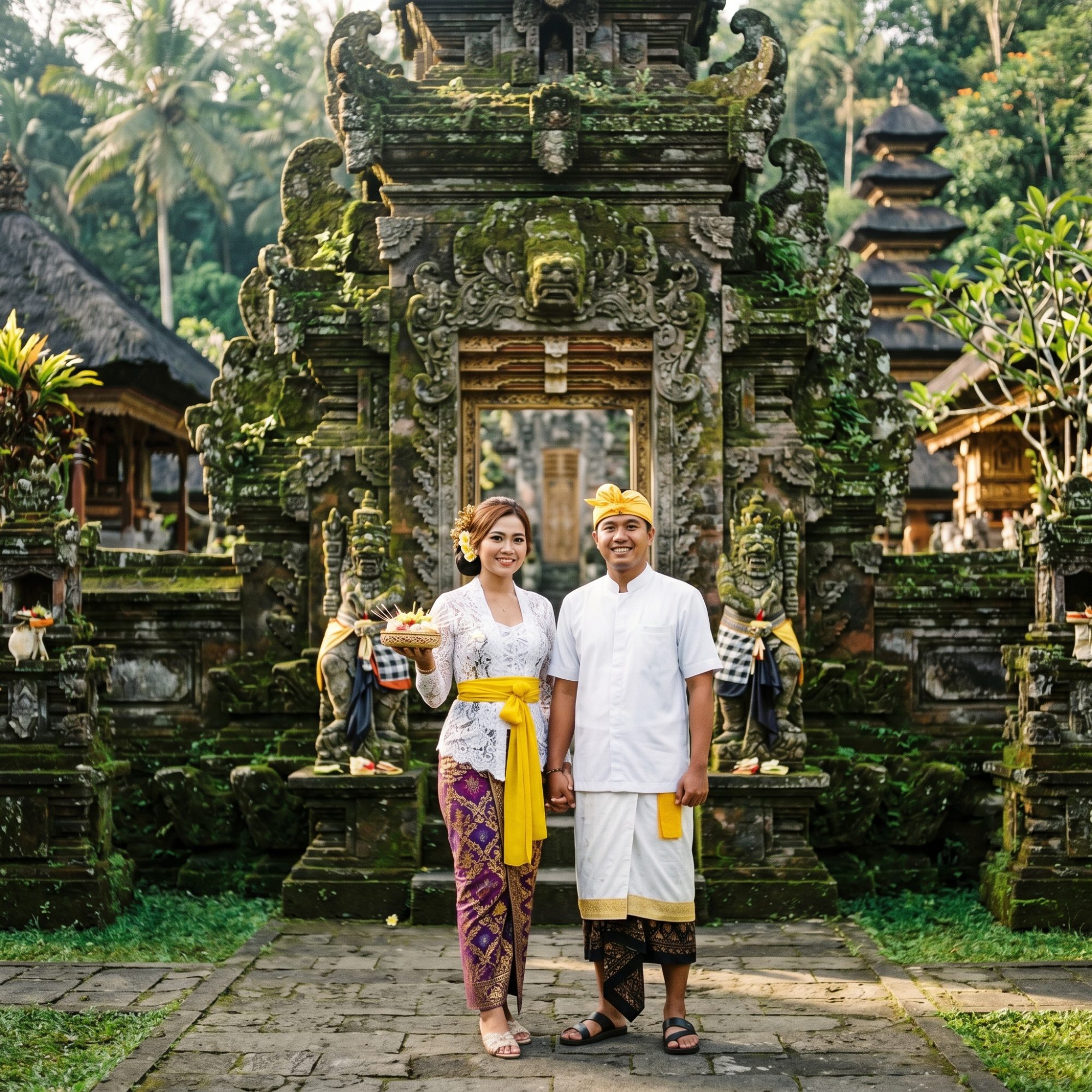
Dress appropriately. Many temples require visitors to wear a sarong and sash. Follow the rules displayed at the entrance.
Respect restricted areas. Some inner sanctums are reserved for worshippers. Only enter areas where visitors are permitted.
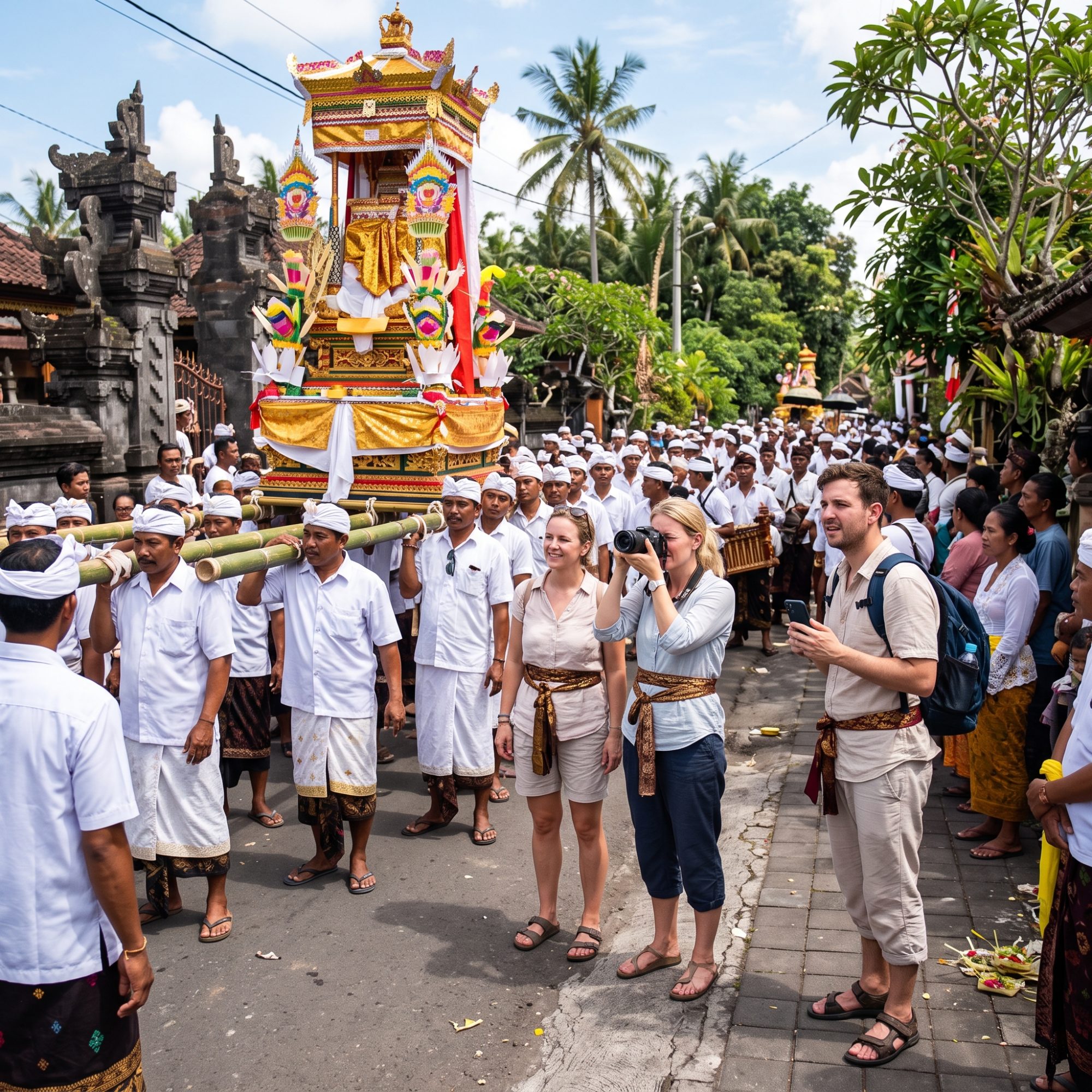
Be considerate during ceremonies. Keep a respectful distance, avoid interrupting prayers, and follow instructions from temple staff.
Ask before taking photographs. Be particularly considerate when photographing worshippers, priests, or religious rituals.
Follow local guidance. Entry rules may vary by temple, and access can change during ceremonies or special religious occasions.
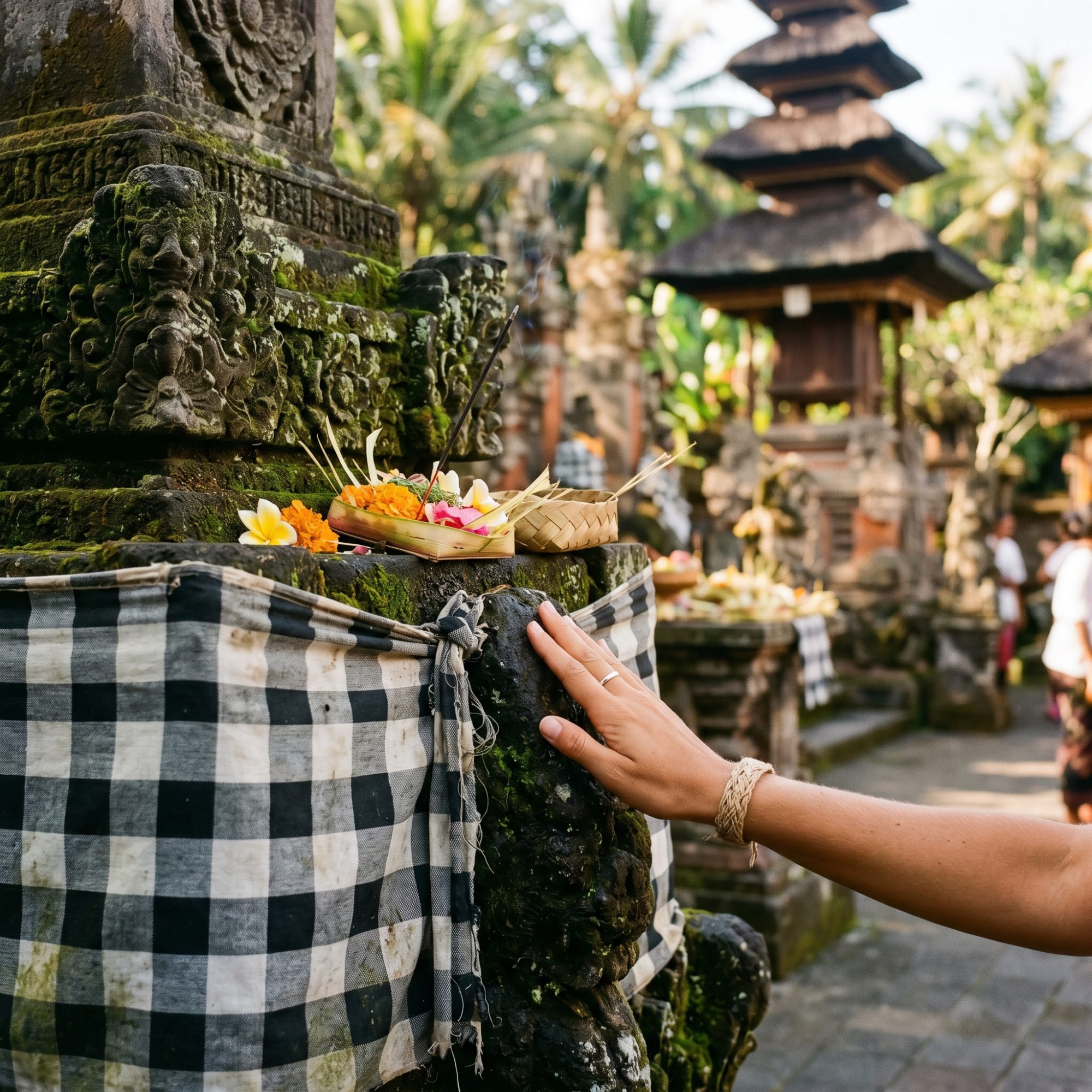
Keep the grounds clean. Do not leave rubbish behind or touch sacred objects without permission.
Check accessibility. Some temple complexes involve steep stairs, uneven surfaces, or long walking routes. Consider these factors when travelling with children or elderly family members.
Frequently Asked Questions
What is the most famous temple in Bali?
Tanah Lot, Uluwatu, Ulun Danu Beratan, and Besakih are among Bali's best-known temples. Each offers a different experience, from coastal scenery and sunset views to mountain landscapes and religious heritage.
Which temple in Bali is best for sunset?
Uluwatu Temple and Tanah Lot are two popular choices for sunset. Uluwatu combines clifftop ocean views with the traditional Kecak performance, while Tanah Lot is famous for its distinctive sea-temple setting.
Which Bali temple is best for first-time visitors?
For a first visit, Tanah Lot, Uluwatu, and Ulun Danu Beratan are excellent options because of their distinctive scenery. Travellers interested in religious traditions should also consider Tirta Empul or Besakih.
Can tourists enter temples in Bali?
Tourists can visit many temple grounds, but access to inner sanctums and certain areas may be restricted. Visitors should follow posted rules, dress requirements, and instructions from temple staff.